Heat pumps for existing buildings: what you need to know
13 November 2025
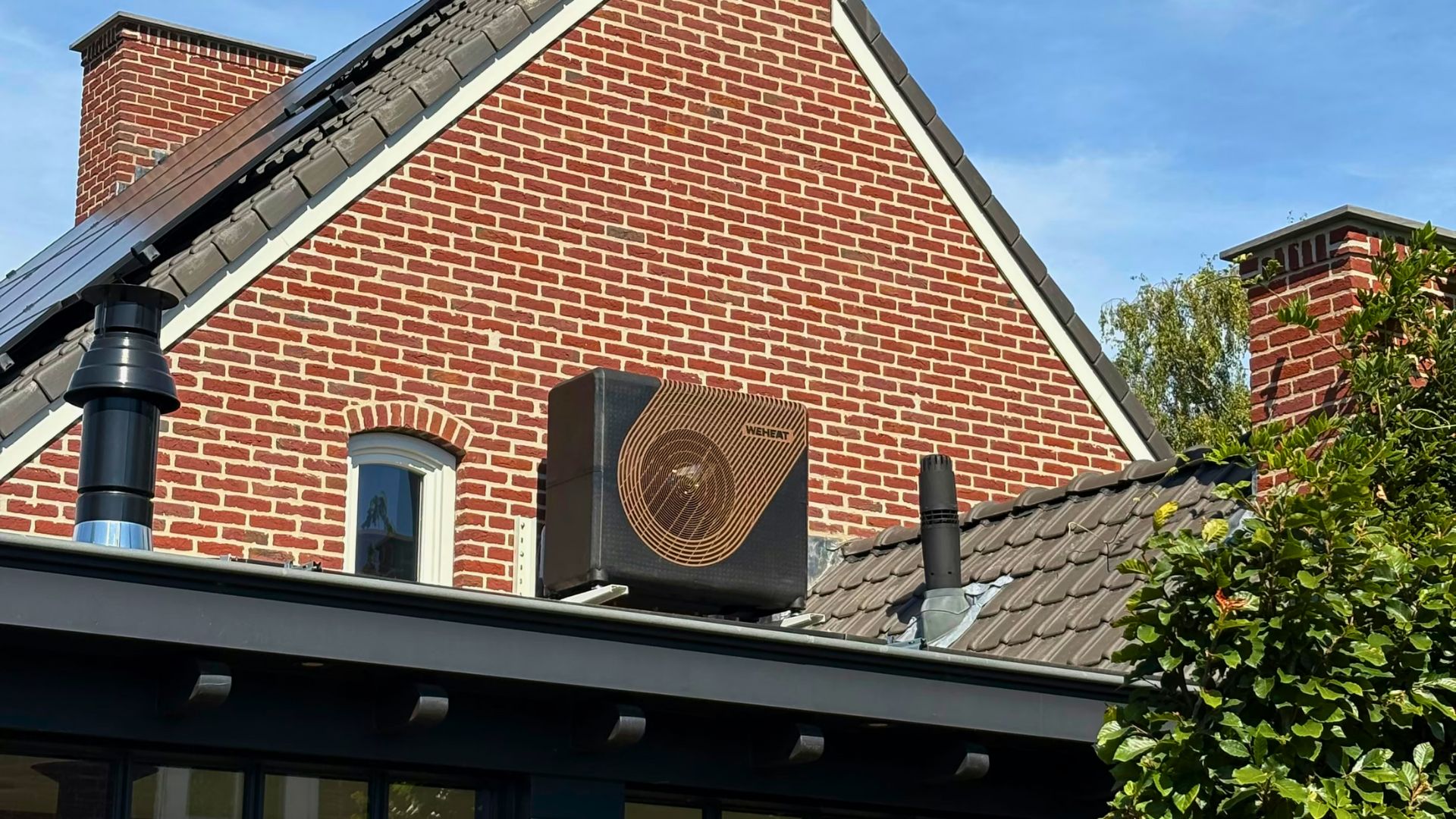
Heat pumps are often associated with new construction, but more and more homeowners in existing properties are making the switch. It makes sense: with the right installation, you can significantly reduce your gas consumption and heat your home comfortably using electricity, especially if you already have solar panels. In this article, you will learn what is involved in installing a heat pump in an existing home, why the R290 refrigerant is so efficient, and why a Weheat heat pump makes you future-proof today.
Many traditional heat pumps use synthetic refrigerants, often called F-gases. These have a high climate impact, contain PFAS, are being phased out, and will soon be banned in new systems.
Weheat consciously chooses a sustainable alternative. All our heat pumps are F-gas-free and instead use R290, also known as propane. This is a natural refrigerant with a low environmental impact and several major advantages, especially for existing homes:
A Weheat R290 heat pump can provide flow temperatures of up to approximately 70 degrees Celsius
As a result, it is often unnecessary to replace all your radiators immediately
The system remains efficient, even at higher temperatures
Compared to a central heating boiler, a heat pump can be up to five times more efficient at heating. What does that mean in practice? A central heating boiler converts roughly one unit of gas into one unit of heat. A heat pump converts one unit of electricity into approximately five units of heat! This allows you to achieve more comfort in your home with less energy, all while being emission-free.
Heat pumps for existing homes and comfort
A common concern is that a heat pump might not get warm enough in an older home with a lower energy rating. Our heat pumps prove time and again that this is not the case. Because R290 enables high flow temperatures, a Weheat heat pump works perfectly well with existing radiators and lower levels of insulation.
Please note: whether you have a central heating boiler or a heat pump, better insulation gives you better efficiency.
If you already have underfloor heating, extra cavity wall insulation, or low-temperature radiators, you are in great shape!
Frequently asked questions about heat pumps in existing homes
Can a heat pump be installed in an existing home?
Yes, a heat pump in an existing home is very possible in many cases. Important factors include:
The type of heating you have, such as radiators or underfloor heating
The available space for the indoor and outdoor units
The electrical connection in your home
Even if your home has a lower energy rating, there are plenty of possibilities. A heat pump can actually be a great choice, especially since you likely have a relatively high energy bill. This is even more true with a powerful and efficient R290-based system and a smart, well-configured control system.
If you already have solar panels, the picture becomes even more attractive. You can use the electricity generated on your roof directly to heat your home. This makes you less dependent on gas prices and future net-metering regulations.
How do I know if my home is suitable?
Whether your home is suitable for a heat pump in an existing building depends on a few factors:
Insulation: The roof, floor, and walls should be at least reasonably insulated or capable of being improved in the near future.
Glass: Preferably at least double glazing, or even better, HR glass.
Heating system: A properly functioning heat distribution system, such as radiators or underfloor heating, that can provide sufficient heat at lower temperatures.
Space: Room for an outdoor unit and, if necessary, an indoor unit with a hot water tank.
Our installers always look at the big picture. Based on an assessment of your home, energy consumption, and personal preferences, we determine which type of heat pump and settings are the best fit.
Want to know more? It starts with good advice: request a no-obligation consultation with an installer from our network.
Is a heat pump also suitable for a low energy rating?
Yes, a heat pump can be an attractive option even with a lower energy rating. Precisely because your energy costs are likely to be relatively high, it is worth looking into a cost-effective solution.
Weheat heat pump for existing buildings
Our choice for R290 is twofold: sustainable and efficient! We design and build our systems entirely in-house, from the hardware—the heat pump itself—to the software. By managing the entire process, we can achieve more than traditional brands.
In 2026, we will take it a step further and launch our smart software: Weheat Intelligence.
With Weheat Intelligence, your heat pump becomes even smarter, allowing us to further optimize your savings. The software helps you run your installation at peak performance, for example by heating when electricity is cheap or when your solar energy yield is high.
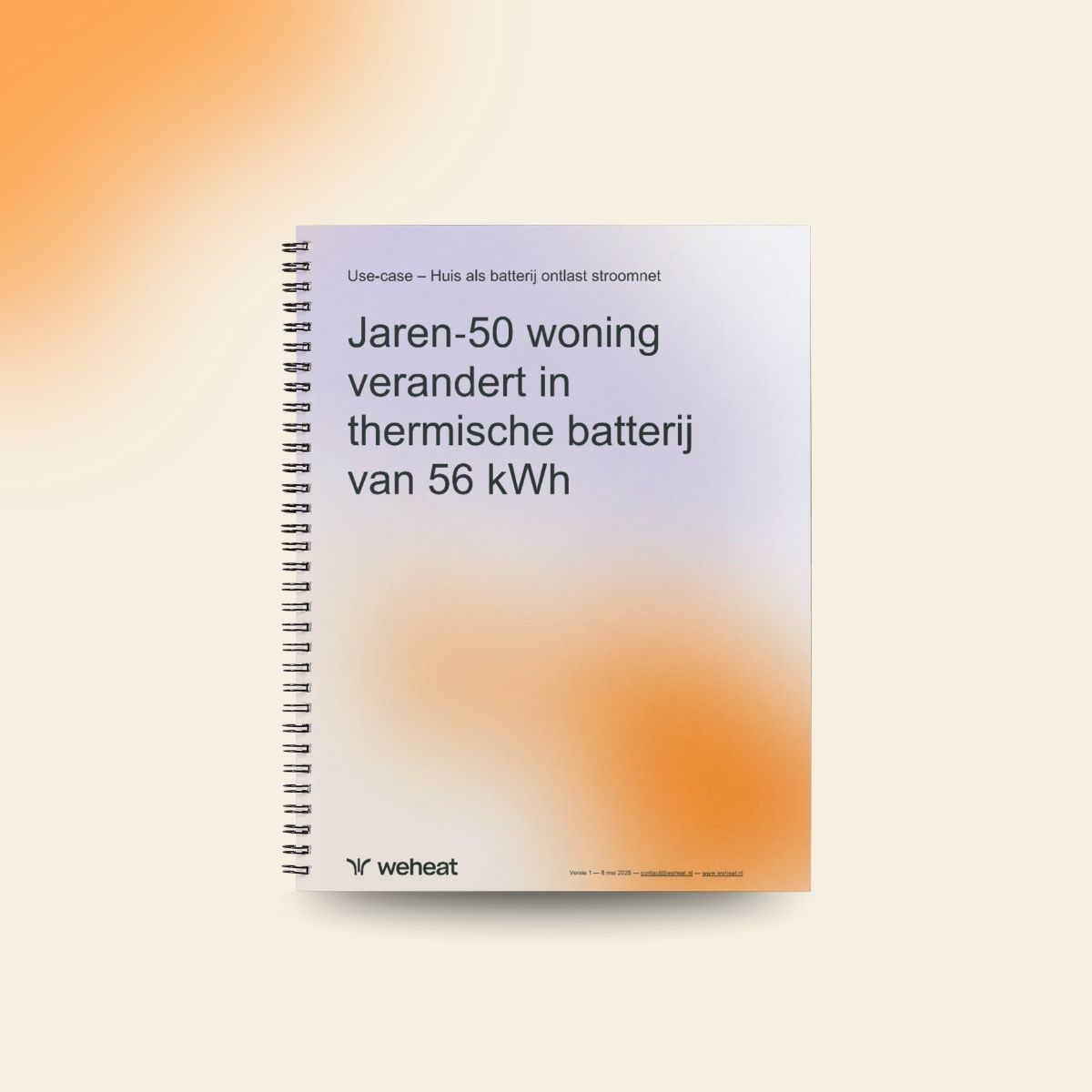
Discover the use case
Prefer to see the data and how our heat pumps perform in existing buildings? Download the case study and discover how the test year went for Dave.
Download the case study
Success!
Thank you for your message. We will get back to you as soon as possible.


.webp)
.webp)

.webp)
.avif)
.jpg)



%201%20(1).webp)