Comfort, cost, sustainability and future readiness matter when choosing between a heat pump and a traditional boiler. We explain how both work and how they compare.
All-electric heat pump vs traditional boiler
Did you know a heat pump can turn energy into heat five times more efficiently? How does that work, and how does it compare with a traditional boiler? Read the differences and similarities here.
How a heat pump works
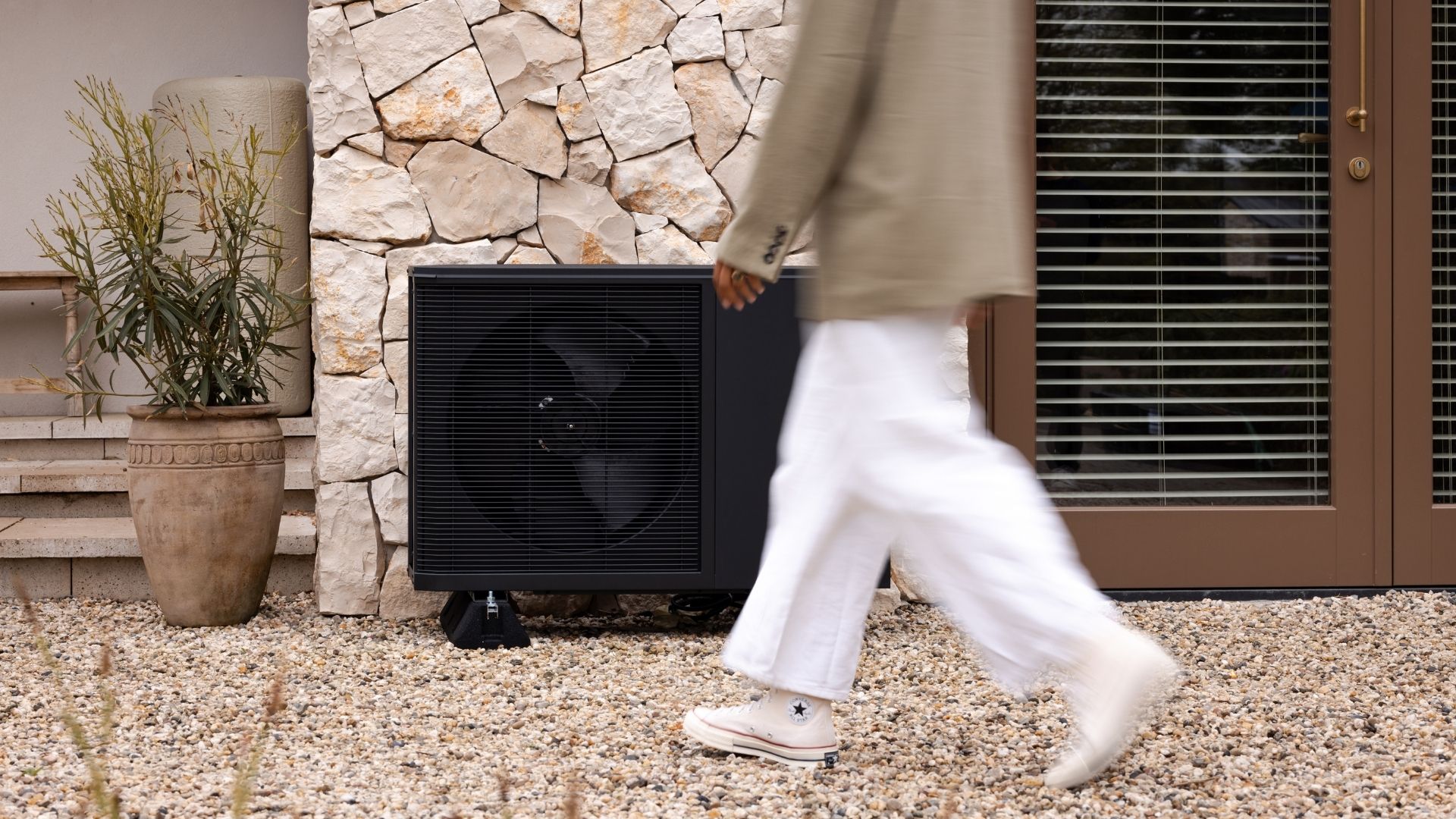
A heat pump brings outdoor heat inside using refrigerant, exclusively propane at Weheat, and a compressor. It uses electricity but delivers far more heat than the energy consumed. Low-temperature operation at 35–55 degrees provides even, comfortable heating. With no gas combustion, it is fully electric and emission-free.
An all-electric heat pump also heats domestic hot water electrically, so the entire system runs without a boiler or gas. With solar panels or green electricity, heating is completely emission-free.
How does a boiler work?
A boiler burns natural gas to heat water to around 70–80 degrees, much higher than a heat pump. Hot water circulates through radiators or underfloor heating and supplies showers and taps. The system is fast but burns fossil fuel and emits CO₂.
Big savings for your wallet and the environment
A traditional boiler’s efficiency is often just below 100%: one cubic metre of gas provides roughly one cubic metre’s worth of heat energy. A heat pump works differently: each kWh of electricity delivers an average of 4–5 kWh of heat. This efficiency is called COP, Coefficient of Performance.
A boiler’s COP is around 0.9–1.0, compared with 4–5 for a heat pump, making the latter up to five times more efficient.
Smart heating with Weheat
Switching to all-electric therefore significantly reduces emissions and bills. While a boiler depends on gas prices and direct combustion, a heat pump converts electricity into useful heat much more efficiently.
According to TNO research shows that all-electric households can save hundreds of euros annually, depending on home type, insulation and energy contract. Payback periods are shortening, especially with subsidies and lower electricity prices during high renewable generation.
Weheat Intelligence maximises savings
Savings can grow further with Weheat Intelligence. This smart software collects data, learns and makes decisions to maximise heat pump efficiency. Heating becomes an integrated approach based on weather forecasts, electricity prices, home characteristics and daily routines. More comfort, lower costs and a smaller CO₂ footprint. Smart and simple.
All-electric vs hybrid
A heat pump is a smart choice. A hybrid system can work alongside your boiler. Savings are smaller because the boiler still supplies hot water and backup, but gas use and emissions drop immediately. It is practical when fully electric heating is not yet feasible.
All-electric eliminates gas entirely and delivers the greatest savings. All our heat pumps support both options, allowing a phased transition and easy later upgrade using the same equipment.
Switch to an all-electric heat pump
An all-electric heat pump takes you towards a gas-free future today. Weheat Intelligence increases efficiency, comfort and savings. Request a free advice appointment with an installer in our nationwide network to discover what a Weheat heat pump can do for your home.
Download the case study
Success!
Thank you for your message. We will get back to you as soon as possible.


.webp)
.webp)

.jpg)

.jpg)
.webp)
.avif)




%201%20(1).webp)