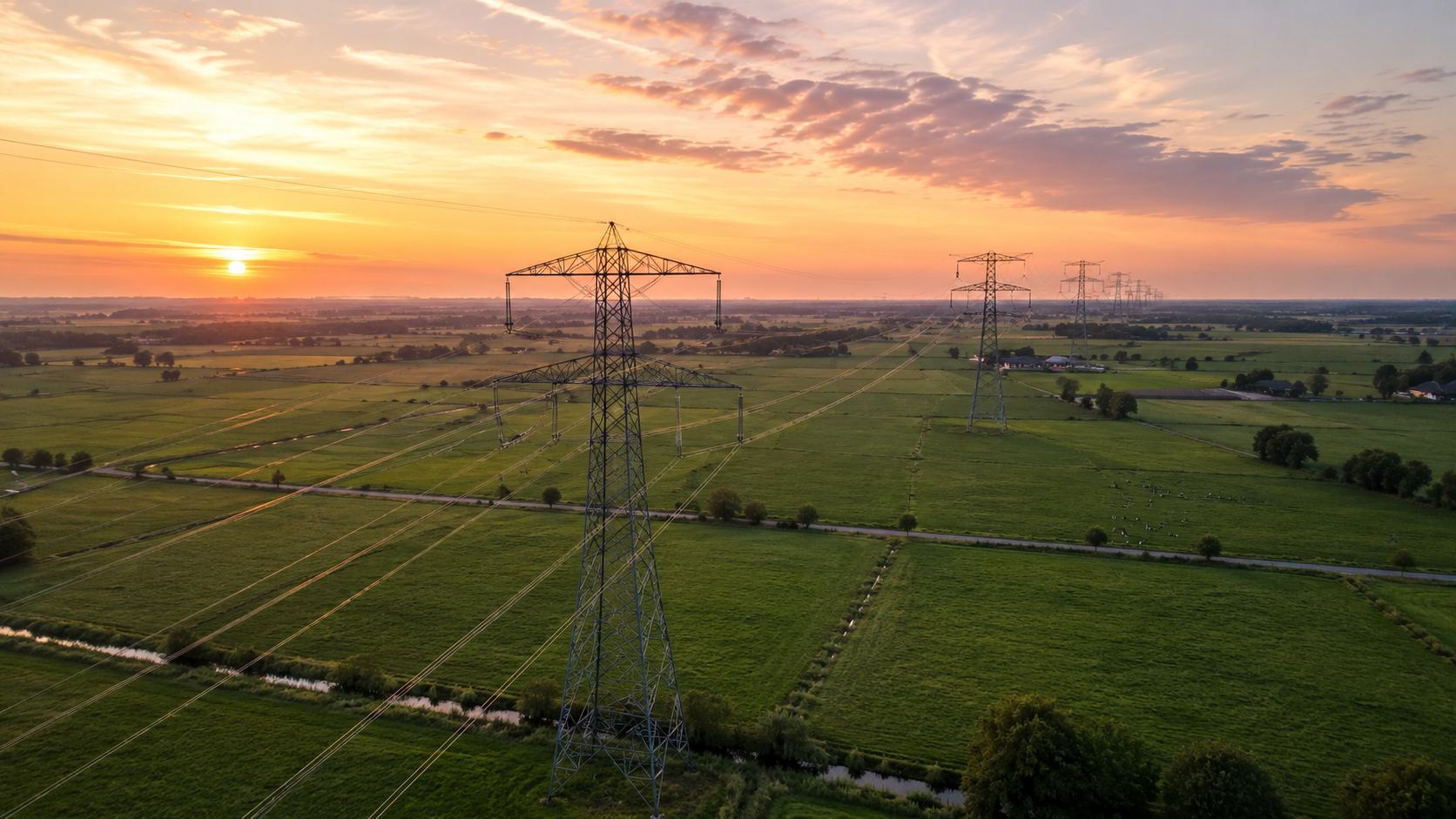
The new time-of-use grid tariff is on the way—likely in 2029, possibly 2030. The direction is clear: those who use electricity during peak hours will pay more, while those who manage their usage smartly will pay less. On top of the existing rate you pay your energy supplier, there will soon be a grid operator fee that varies by time of day. This makes smart energy management even more relevant. For Weheat, this is exactly what we have been building for years.
What exactly is changing?
67 percent of the grid operator's transport tariff will become volume- and time-dependent. Two-thirds of your grid costs will soon depend on when you use energy. In winter, the most expensive times are between 4:00 PM and 11:00 PM, exactly when people get home and need heat. The time blocks vary by season. In summer, you generally pay lower rates than in winter, with the peak between 7:00 PM and midnight, and the cheapest times during the day between 10:00 AM and 5:00 PM. In winter, this shifts: high rates apply between 4:00 PM and 11:00 PM, with favorable rates in the early morning and late evening. The evening peak is the most expensive time. During the day, when the sun is shining and the grid is quiet, electricity is at its cheapest.
The industry is concerned. Rightly so, for those who don't manage their energy smartly.
The Heat Pump Association warns that the winter peak block between 4:00 PM and 11:00 PM is difficult to avoid in practice. That is precisely the period when many households require heat. That concern is understandable. For a heat pump without smart energy management, the winter peak block is indeed a problem. The pump needs to run when it is cold and people are coming home.
But that is exactly where Weheat Intelligence works differently. Weheat Intelligence solves this by pre-heating the home during the day, when electricity is cheap and the grid is quiet. The floors, walls, and the water in the boiler store that heat. By the time the peak block begins, the home is already at the desired temperature. The pump then needs to do less work, and if it does need to run, it’s for a shorter duration. No loss of comfort, but a significantly lower consumption during the most expensive time of the day. The system handles this automatically, based on weather forecasts, current energy prices, and the household's usage patterns. You don't have to do a thing.
"From day one, we have been building a heat pump that actively moves with the energy system. Time-of-use grid tariffs are nothing to be afraid of. It is exactly the playing field Weheat was made for." - Martijn van de Ven, CEO Weheat
Most people won't keep track of this themselves
Research by CE Delft shows that even after an explanation, less than half of consumers fully understand the grid operators' time-of-use tariffs. Working consumers indicate that it is impossible for them to adjust their electricity consumption to fluctuating rates.
Researchers expect that behavioral change will only have a real effect when time-of-use tariffs are integrated into energy management systems that automatically run home appliances at favorable times.
Heat pumps are explicitly part of this story
Netbeheer Nederland literally cites heat pumps as an example of consumption that can be shifted to quieter times. By using the electricity grid less during peak moments and moving usage to off-peak times, the grid is utilized more efficiently, creating capacity to connect other grid users. More balanced usage also ensures that fewer grid expansions are needed in the long term.
Research commissioned by RVO, Netbeheer Nederland, and Techniek Nederland shows that heat pump owners with a dynamic energy contract use smart controls more often than households without such a contract. The combination is decisive: a smart heat pump plus a dynamic contract. Not one or the other. But both.
With Weheat Intelligence, you get more out of a dynamic energy contract. The system continuously monitors dynamic energy prices and grid load per time block. It heats your home and charges the tap water tank during the cheapest moments, and remains idle when rates peak. Your home acts as a thermal buffer: the floor, the water in the boiler. Energy stored as heat, without extra hardware.
This also partially relieves the winter peak block: the home is already warmed up during the day, and demand in the evening drops.
Net metering scheme disappearing: smart usage is doubly rewarded.
In addition to time-of-use grid tariffs, another development is pointing in the same direction. Starting in 2027, the net-metering scheme for solar panels will be phased out. Those who feed electricity back into the grid will soon receive only a fraction of its value in return. Consultant Wim Schermer calculated the impact: the payback period for solar panels will increase from 5 to 20 years without net metering. A significant difference.
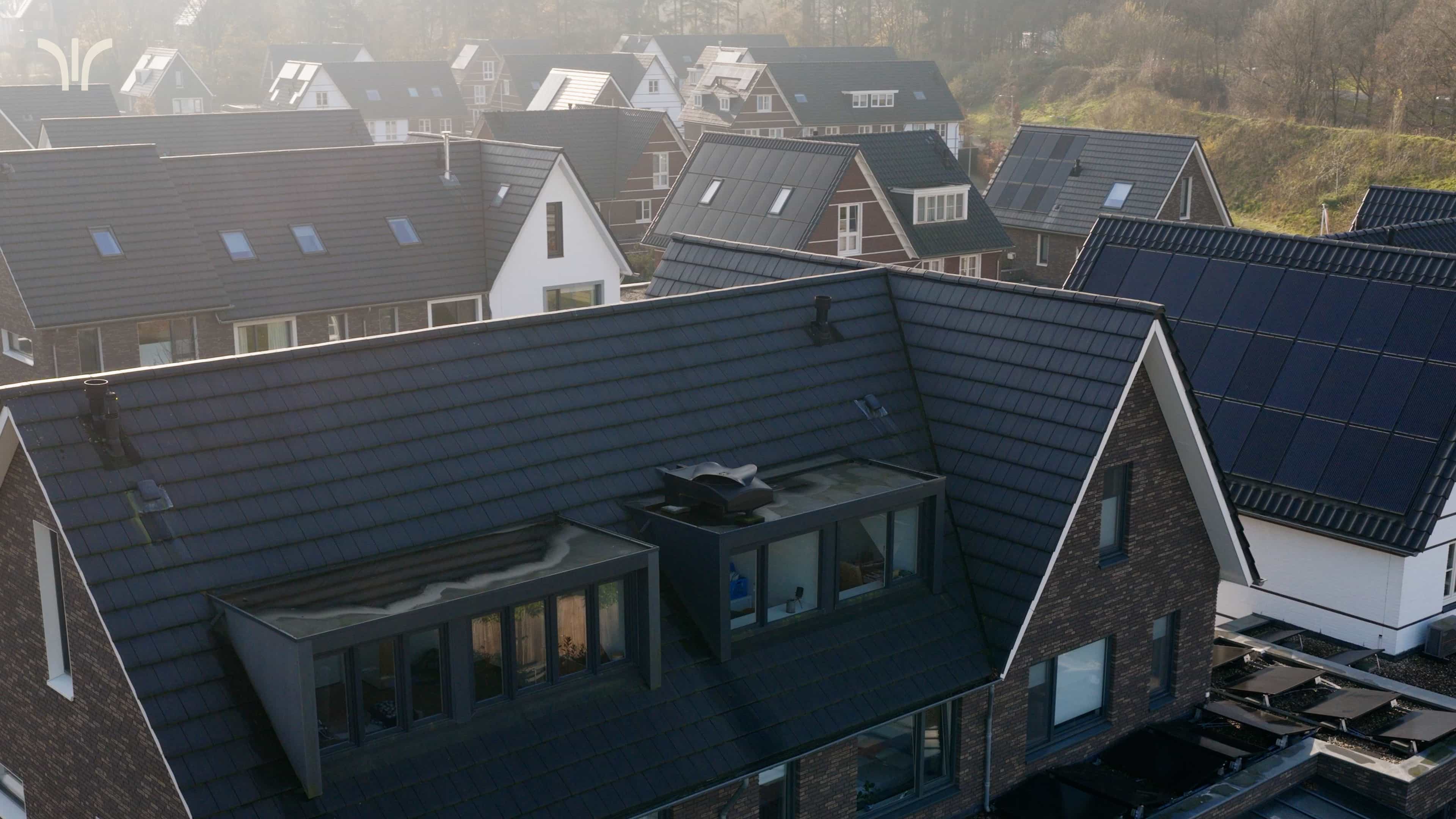
But that difference shrinks the more you use your own solar power directly. And that is exactly where Weheat Intelligence comes in. The system connects the heat pump to your self-generated solar power, heating your home or charging the hot water tank during the times your panels are producing the most. You use your home as a battery. The floors, the walls, the water in the boiler. No extra hardware required. As a result, customers see self-consumption rise to 51%, compared to 17% without smart control.
Two developments, one solution. Time-of-use grid tariffs make smart control financially more attractive. The end of net metering does the same. Anyone installing a Weheat now benefits from both.
Curious about what Weheat can do for your situation? Contact a certified Weheat installer in your area.
--------------------
Sources: NetbeheerNederland, code amendment proposal for time-of-use grid tariff system, May 4, 2026; Solar & Storage Magazine, May 5, 2026; Solar & Storage Magazine / ACM, May 19, 2026; CE Delft / Motivaction research on behalf of Energie-Nederland, Solar & Storage Magazine March 6, 2026; Warmte365 / Vereniging Warmtepompen, May 19, 2026; Vakblad Warmtepompen / Wim Schermer, April 16, 2026.


.webp)
.webp)

.webp)
.avif)




%201%20(1).webp)