TNO: insulation and heat pumps accelerate the energy transition together
5 March 2026
Making homes more sustainable is often seen as a process of insulating first and switching to a heat pump later. However, new research from TNO shows that this is not the fastest route.
According to the study the energy transition can actually proceed faster and more efficiently when insulation and heat pumps are combined more intelligently. By applying both measures in a more phased approach, more homes can become sustainable faster, energy costs for residents decrease, and CO₂ emissions drop more rapidly.
This is an important conclusion for housing associations, municipalities, and homeowners. If the Netherlands wants to meet its 2050 climate goals, the pace of sustainability efforts must increase significantly in the coming years.
Greater impact through smart combination of measures
In the study, TNO analyzed various scenarios for making nearly two million social housing units more sustainable. The results show that all-electric heat pumps combined with moderate to good insulation are often the most efficient investment when considering both CO₂ reduction and lower energy costs per euro invested.
It also appears that insulation alone has relatively little effect in relation to the investment. The greatest impact is achieved when insulation and heat pumps are deployed together.
Furthermore, the research shows that measures do not necessarily have to take place at the same time. For example, a heat pump can be installed first when a central heating boiler needs replacing, while additional insulation can follow later.
Phased sustainability offers more room for action
These insights are relevant for housing associations, municipalities, and homeowners. In practice, large-scale insulation projects often prove costly and labor-intensive, and can sometimes have a significant impact on residents.
A phased approach can therefore help to make more homes sustainable more quickly. For example, by installing a heat pump when a boiler needs replacing, and carrying out insulation measures at a later stage.
This allows the energy transition to take place step by step, without projects stalling or facing years of delays.
An important role for smart heat pumps
For the energy transition, this means that heat pumps will continue to play a central role in making the housing stock more sustainable. Especially when they are deployed smartly and integrated into a broader approach to home energy use.
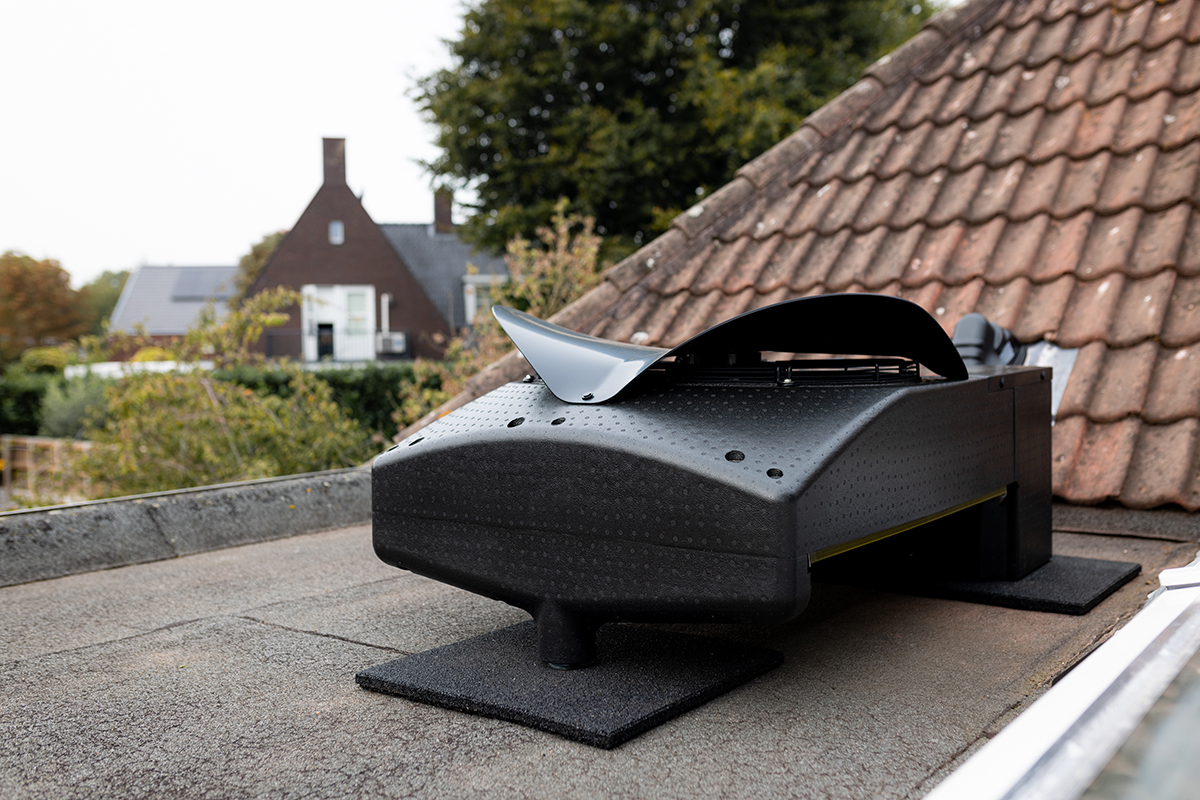
At Weheat, we see the same trend. Heat pumps are increasingly becoming part of an intelligent home energy system, where heating, electricity prices, and self-generated solar energy come together.
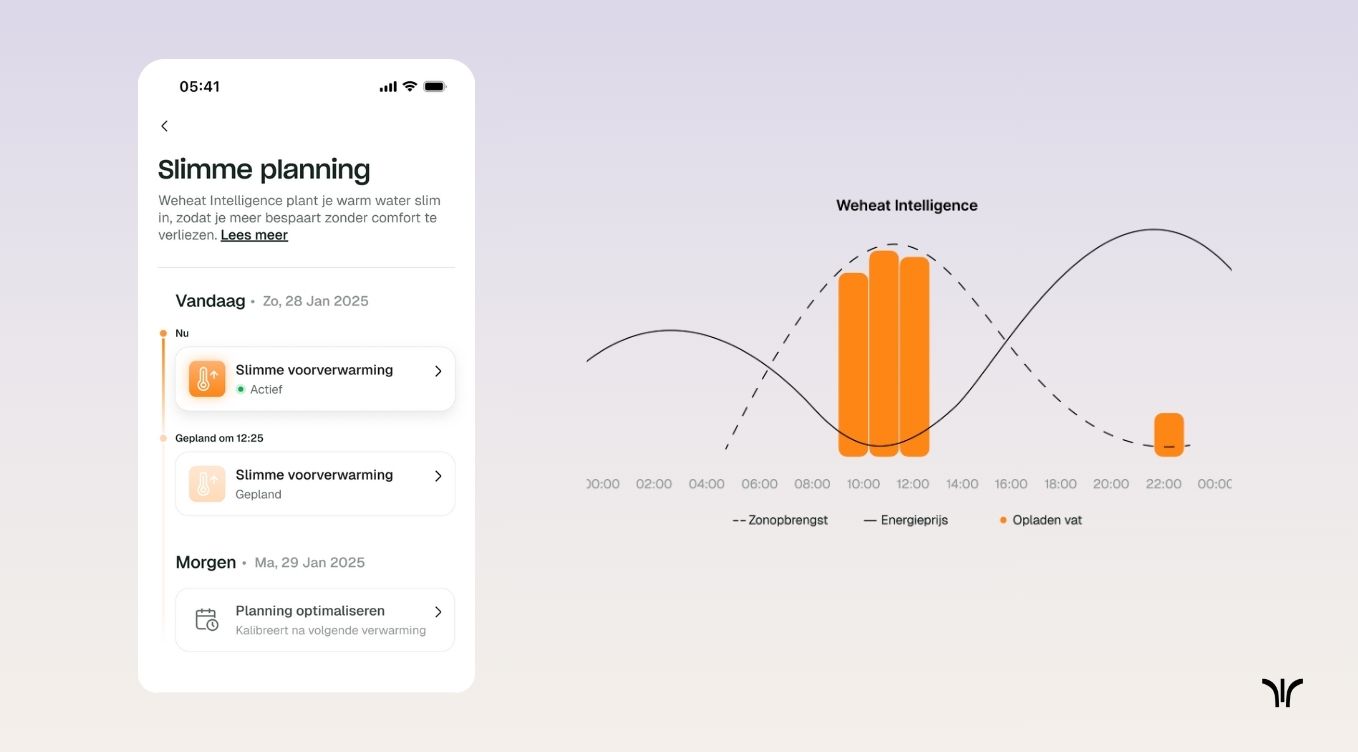
In addition to efficient hardware, smart software is also playing an increasingly important role in the energy transition. With Weheat Intelligence , heat pumps become part of an intelligent home energy system. By combining data on weather forecasts, energy prices, and energy consumption, the system can automatically determine when heating is most efficient.
For example, a Weheat heat pump can produce extra heat when electricity is cheap or abundantly available, such as during periods of high solar energy production. In this way, smart control not only helps to lower energy costs but also reduces peak loads on the electricity grid. This makes a heat pump not just a sustainable heating solution, but also a key component of a future-proof energy system.
From research to practice
The insights from the study confirm that the energy transition requires a pragmatic approach. Instead of waiting until homes are fully insulated, we should move toward sustainability step by step—using technology that is already available today.
By smartly combining insulation and heat pumps, more homes can be made sustainable faster. And that is exactly what is needed to meet climate goals while helping residents lower their energy bills.
Curious about what a heat pump could do for your home? Explore the possibilities and take our savings check here.
Would you like to know more about the ISDE subsidy scheme that has been in effect since January 2026? Read all about it here.
Download the case study
Success!
Thank you for your message. We will get back to you as soon as possible.


.webp)
.webp)

.webp)
.avif)


%201%20(1).webp)